
Insights
A Complete Guide to Pressure Washing Different Surfaces
Many homeowners turn to pressure washing to clean exterior surfaces. However, this method is not a one-size-fits-all solution. Using too much pressure (or the wrong technique) can cause serious damage, while using it correctly can effectively restore surfaces to like-new condition.
Here’s a complete guide on which surfaces you can safely pressure wash, and what surfaces you can’t.
Surfaces You Can Pressure Wash
When done correctly, these surfaces can handle pressure washing well.
Concrete and Driveways
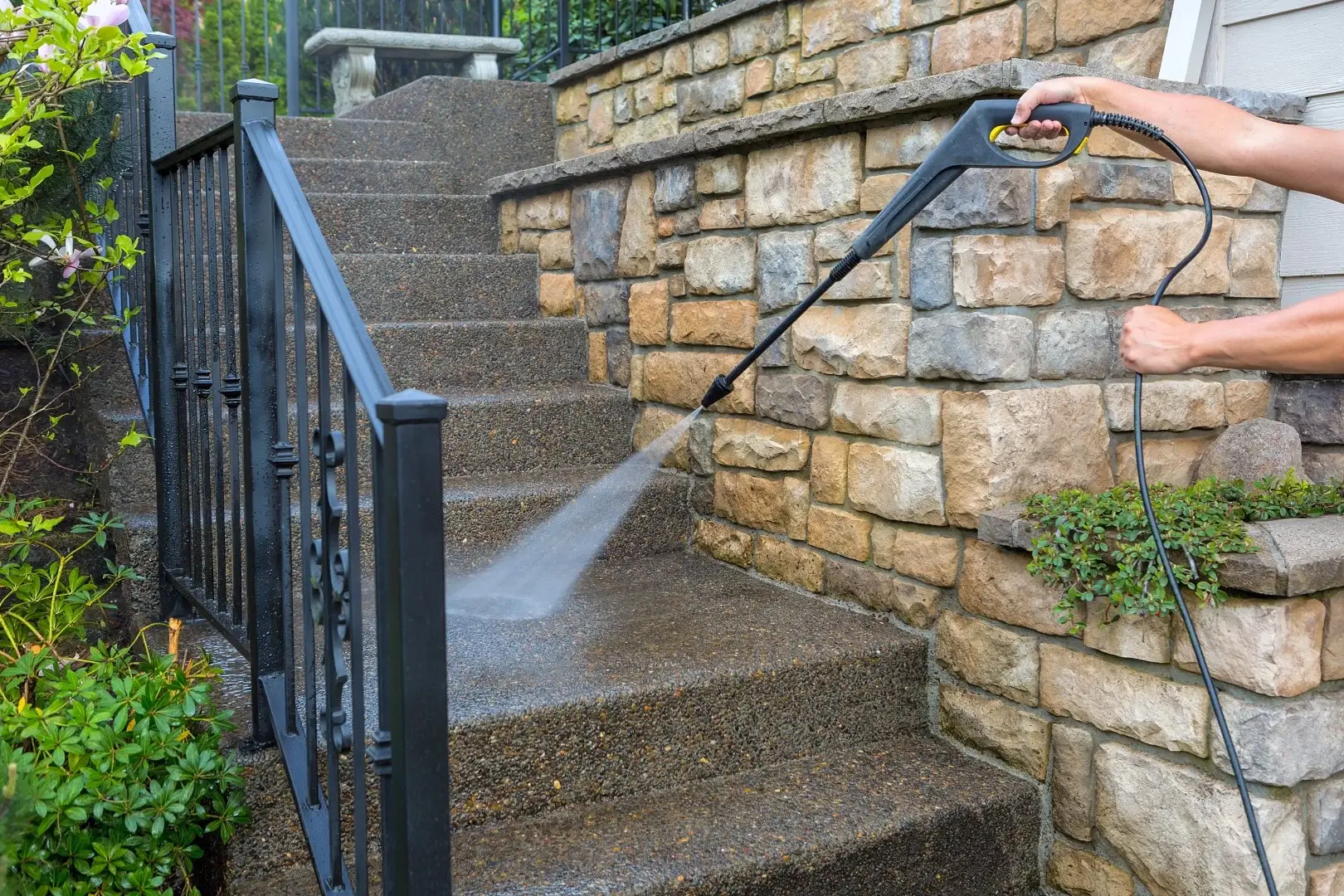
Concrete is one of the most durable materials out there, making it ideal for pressure washing. You can clean driveways, sidewalks, patios, and garage floors without worrying about damaging the surface.
Concrete can withstand high pressure and is prone to staining from oil, dirt, and mildew, making it the perfect candidate.
Brick (with Caution)
You can pressure wash brick surfaces, such as exterior brick walls and walkways, as long as you use the correct technique. When cleaning, use moderate pressure and avoid blasting mortar joints, as these can deteriorate over time.
Vinyl Siding
Many homeowners use pressure washing to remove algae, dirt, and buildup from vinyl siding and restore curb appeal. When cleaning siding, use low pressure and a wide spray angle to avoid forcing water behind the siding.
When water gets behind siding, it can cause structural decay and mold growth.
Wood Decks (with Care)
You can pressure wash wood, but you need to exercise caution to avoid damaging it. When cleaning wood surfaces, like decks or fences, use low pressure and soft washing techniques to prevent splintering or gouging.
Composite Decking
Composite materials are more durable than wood. However, they still require care. Use gentle pressure and follow manufacturer guidelines to avoid damaging, scratching, or etching the surface.
Outdoor Furniture (some Types)
Metal, resin, or hard plastic furniture can be safely cleaned. However, you should avoid using high pressure on joints or painted surfaces to prevent chipping.
Roofing Materials (especially Asphalt Shingles)
You should never pressure wash your roof. The high-pressure water can strip protective granules, shorten the lifespan of your roof, and cause leaks that could lead to mold growth. To clean your roof, you should use soft washing with specialized cleaners.
Painted Surfaces
High pressure can easily strip paint. Unless you’re intentionally removing paint, avoid pressure washing painted siding, trim, and outdoor structures.
Windows & Glass
Glass may seem like a strong and durable material, but pressure washing can quickly crack or shatter glass doors or window panes, as well as break seals and lead to fogging between panes.
Electrical Fixtures & Panels
Never pressure wash outdoor outlets, light fixtures, or electrical panels. This could put you at risk of dangerous electrical shock.
Vehicles
Using a pressure washer on vehicles can chip paint, damage seals, and force water into sensitive areas. Use a low-pressure rinse or standard hose when cleaning your car.
Stucco
You can easily crack or chip stucco with a pressure washer, as well as force water underneath. Soft washing is a safer alternative.
Older or Damaged Surfaces
If a surface is already deteriorating, pressure washing can make it worse. Avoid using a pressure washer on rotting wood, crumbling concrete, or loose siding. Instead of cleaning, you should focus on making necessary repairs.
When to Use Soft Washing Instead
For delicate materials, soft washing is often the better solution. This method uses low pressure and specialized cleaning solutions to effectively remove algae, mold, mildew, and debris.
Use soft washing on asphalt shingles, vinyl siding, painted areas, and other surfaces where high pressure would cause harm.
Pressure Washer Nozzle Color Guide
To effectively clean different surfaces, you need to understand how to use each nozzle:
Red (0°) — This nozzle produces a highly-concentrated stream. Use this on tough grime, but be careful as it can cut skin and destroy delicate surfaces.
Yellow (15°) — Use this powerful tip to strip paint and remove heavy mildew on hard surfaces.
Green (25°) — Use the green nozzle for general cleaning, including driveways, siding, and brick.
White (40°) — Use this wide, gentle spray on vehicles, windows, and other delicate surfaces.
Black (65°) — Use this low-pressure nozzle exclusively for applying soap or detergent.
The Bottom Line
Pressure washing can be a powerful tool when used on the right surfaces with the right technique. Knowing when you can and can’t use pressure washing can save you from costly repairs and extend the life of your property.
When in doubt, start with lower pressure or consult a professional who understands how to treat different materials properly.
Next step
Let’s walk your property.
Tell us the building and we will come look at it. You get firm pricing and a service calendar — no obligation, no sales visit disguised as an estimate.